Retro Geometrical Checkered Patterns: A Practical Guide to Integration in Creative and Professional Workflows
In the landscape of digital design and content creation, visual assets are rarely just decorative; they are functional components of a broader communication strategy. Among the vast array of available graphics, Retro Geometrical Checkered Patterns have emerged as a versatile tool for designers, marketers, and entrepreneurs seeking to inject structure, nostalgia, and visual rhythm into their projects. These patterns are not merely aesthetic choices but serve as foundational elements that can guide the viewer’s eye, establish brand identity, and enhance readability when applied correctly.
Understanding how to effectively utilize these assets requires moving beyond simple selection and into the realm of strategic implementation. Whether you are designing a website interface, preparing marketing collateral, or developing educational materials, knowing how to integrate geometric checkers into your workflow can significantly improve the cohesion and professionalism of your final output. This guide explores the practical applications, technical specifications, and integration strategies for working with high-quality retro geometrical assets.
The Role of Pattern in Visual Hierarchy and Branding
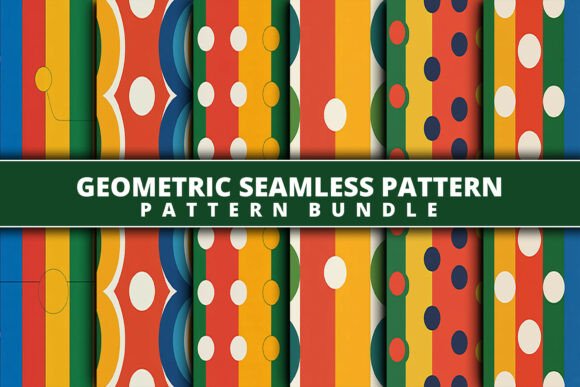
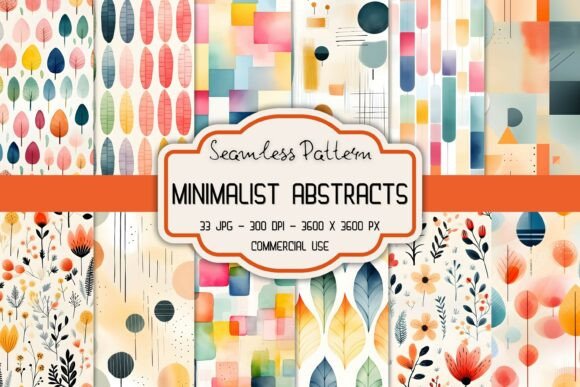
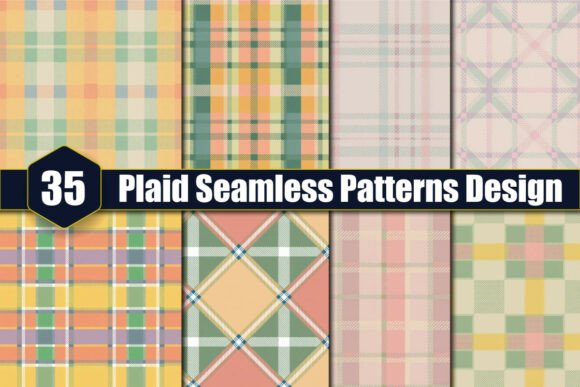
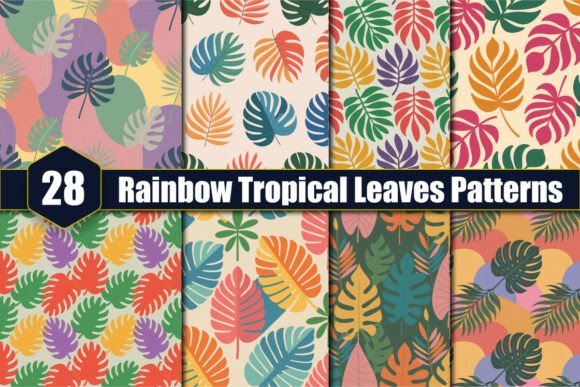
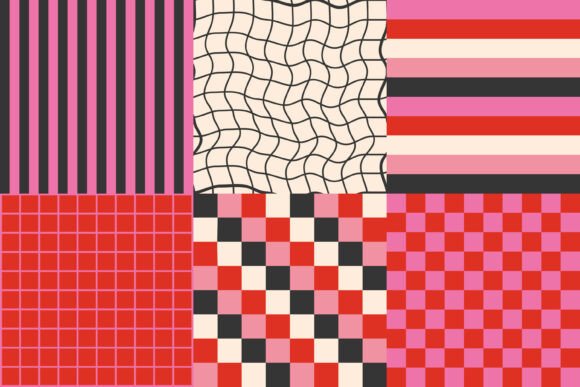
At its core, a pattern is a repeating unit of design that creates texture and interest without overwhelming the primary message. Retro geometrical checkered patterns, characterized by their interlocking squares, diamonds, or complex tessellations reminiscent of mid-century modernism or 70s psychedelia, offer a unique balance between order and energy. For professionals in marketing and branding, these patterns provide a way to differentiate a product or service in a crowded marketplace.
When integrating these patterns into a project, it is essential to consider their role in visual hierarchy. A well-chosen checkered background can frame text or call-to-action buttons, drawing attention to key information. However, if used incorrectly, the high contrast inherent in checkered designs can create visual noise that distracts from the content. The key lies in moderation and layering. By using the pattern as a subtle backdrop or an accent element rather than the dominant feature, creators can maintain clarity while benefiting from the nostalgic appeal of the retro aesthetic.
This approach is particularly effective for small business owners and freelancers who need to establish a strong brand presence quickly. A consistent use of specific color palettes within the geometrical pattern can become a recognizable trademark, much like a logo. Over time, this consistency builds trust and recognition among audiences, turning a simple graphic asset into a valuable component of intellectual property.
Technical Specifications and File Management
For any creative professional, the quality and format of digital assets are critical to the efficiency of the workflow. The availability of Retro Geometrical Checkered Patterns in a comprehensive zip file containing both EPS and JPG formats at 300 dpi and a resolution of 3000 x 2000 pixels offers significant advantages for various stages of production. Understanding these specifications allows users to optimize their processes and avoid common pitfalls related to image quality and scalability.
- Vector Scalability (EPS): The inclusion of EPS files ensures that the patterns remain crisp at any size. This is crucial for print-on-demand products, large-format banners, or merchandise where scaling up raster images would result in pixelation. Designers can manipulate the vector paths to adjust the scale of the checkers, modify colors, or combine multiple patterns seamlessly without losing resolution.
- Raster Versatility (JPG): The 3000 x 2000 pixel JPG files provide immediate usability for web-based projects, social media graphics, and digital presentations. At 300 dpi, these images offer high fidelity for most screen resolutions and standard print sizes. They are ready to drop into design software like Adobe Photoshop or Canva, saving time on setup and ensuring consistency across digital platforms.
- Organization and Efficiency: Having all patterns contained in a single zip file streamlines the asset management process. For educators, bloggers, and publishers who handle multiple projects simultaneously, having a centralized library of high-quality textures reduces the friction of searching for appropriate backgrounds. This organizational efficiency translates directly into faster turnaround times and reduced stress during tight deadlines.
Integration Across Different Professional Domains
The utility of retro geometrical checkered patterns extends across a wide spectrum of industries. Their adaptability makes them suitable for diverse workflows, from corporate presentations to hobbyist crafting projects. Below are specific examples of how these assets can be integrated into daily operations.
Digital Marketing and Content Creation
Marketers and bloggers often struggle with creating visually engaging headers, social media posts, and email newsletters. Using a retro checkered pattern as a background for promotional graphics can add depth and personality to static images. For instance, a tech startup might use a monochromatic, sharp-edged checkerboard to convey precision and innovation, while a lifestyle brand might opt for warmer, softer tones to evoke comfort and nostalgia. The pattern acts as a visual anchor, making the content more memorable and shareable.
Furthermore, these patterns can be used to create custom dividers or section breaks in long-form articles or eBooks. This not only improves the reading experience by breaking up dense text but also reinforces the brand’s visual identity throughout the document.
Education and Training Materials
Educators and instructional designers can leverage these patterns to create engaging learning materials. In slide decks or online courses, a subtle geometric background can help organize information into distinct modules. For example, using different variations of the checkered pattern for each chapter or topic can help learners mentally categorize information, enhancing retention and comprehension. The structured nature of the geometry aligns well with the logical flow of educational content.
Product Design and Merchandising
For entrepreneurs involved in physical products, such as apparel, stationery, or home decor, the vector nature of the EPS files is invaluable. Designers can easily scale the patterns to fit t-shirts, mugs, or packaging materials. The retro aesthetic appeals to a broad demographic, particularly adults aged 20–50 who appreciate vintage-inspired designs. By experimenting with color combinations and pattern densities, businesses can create limited-edition collections that stand out in retail environments.
Best Practices for Implementation and Quality Control
To ensure that the use of Retro Geometrical Checkered Patterns enhances rather than detracts from a project, several best practices should be followed. These guidelines focus on consistency, compatibility, and user experience.
- Maintain Contrast and Readability: Always test the legibility of text overlaid on the pattern. If the pattern is busy, consider adding a semi-transparent overlay or a solid box behind text elements to ensure readability. This is especially important for accessibility compliance, ensuring that content is usable by individuals with visual impairments.
- Limit Color Palettes: While the patterns themselves may contain multiple colors, it is advisable to restrict the overall color palette of the project to two or three main hues. This prevents the design from becoming chaotic and helps maintain a cohesive look across different media channels.
- Use Tiling Correctly: When applying patterns digitally, ensure that the tiling is seamless. Most vector files are designed to tile perfectly, but manual adjustments may be needed depending on the layout dimensions. Proper tiling eliminates visible seams that can break the immersion of the design.
- Document Your Usage: For teams and agencies, maintaining a style guide that specifies how the patterns are to be used (e.g., minimum opacity, allowed color variations) ensures consistency across all outputs. This documentation serves as a reference for future projects, reducing decision fatigue and maintaining brand integrity.
Long-Term Value and Adaptability
One of the most underappreciated aspects of investing in high-quality design assets is their long-term value. Unlike fleeting trends, retro geometrical patterns have a timeless quality that remains relevant across decades. This durability means that the assets purchased today can be repurposed for future campaigns, product lines, or personal projects without appearing dated. For freelancers and small business owners, this represents a cost-effective strategy for building a robust library of resources.
Moreover, the flexibility of these patterns allows for adaptation to changing market demands. As design trends shift towards minimalism or maximalism, the same base patterns can be modified—by adjusting spacing, color, or complexity—to fit new aesthetic preferences. This adaptability ensures that the initial investment continues to yield returns over time, supporting ongoing growth and creativity.
In conclusion, Retro Geometrical Checkered Patterns are more than just decorative elements; they are powerful tools for structuring visual communication. By understanding their technical specifications, integrating them thoughtfully into workflows, and adhering to best practices for implementation, professionals can enhance the quality and impact of their work. Whether used in digital marketing, education, or product design, these patterns offer a reliable foundation for creating compelling, cohesive, and enduring visual experiences.