Evaluating Floral Plaid Seamless Patterns for Digital Design Projects
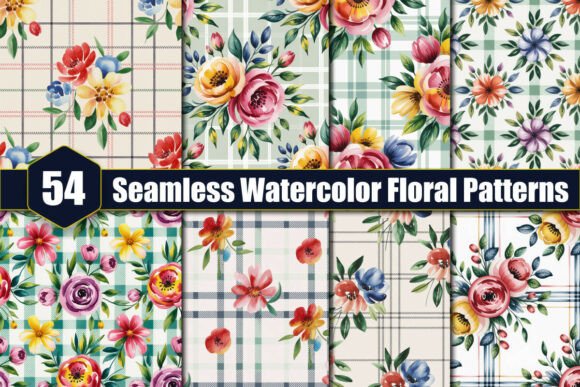
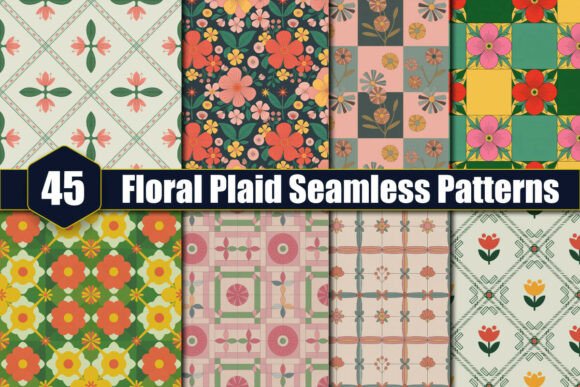
In the realm of digital design, texture and pattern serve as foundational elements that define the aesthetic tone of a project. Among the myriad options available to designers, scrapbookers, and content creators, Floral Plaid Seamless Patterns have emerged as a versatile and visually striking choice. This specific style merges two distinct visual traditions: the structured, geometric logic of plaid and the organic, soft curves of floral motifs. Understanding how this hybrid approach functions—and where it fits within broader design workflows—is essential for making informed creative decisions.
The appeal of these patterns lies in their duality. They offer the cozy, rustic charm associated with traditional tartans while introducing a layer of elegance and femininity through botanical elements. For professionals and hobbyists alike, the ability to utilize high-quality, seamless versions of these designs can significantly streamline workflow and enhance the final output. However, not all pattern resources are created equal. Evaluating the technical specifications, source quality, and intended use cases is critical before integrating them into commercial or personal projects.
Defining the Format and Technical Specifications
When discussing digital assets, particularly those used for print-on-demand or large-scale formatting, technical precision matters. The standard offering for high-end Floral Plaid Seamless Patterns typically involves specific file formats and resolutions that cater to professional needs. A common specification includes delivery in JPG format, which balances file size compatibility with acceptable image fidelity for most web and moderate-print applications.
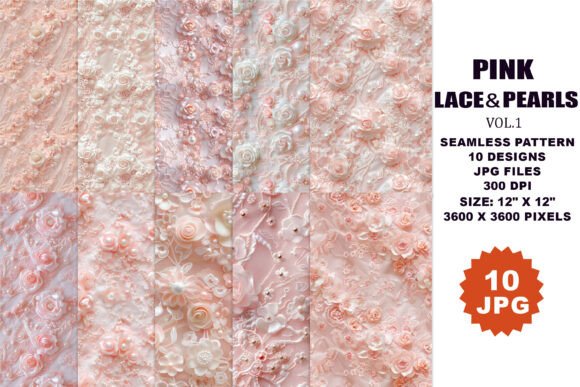
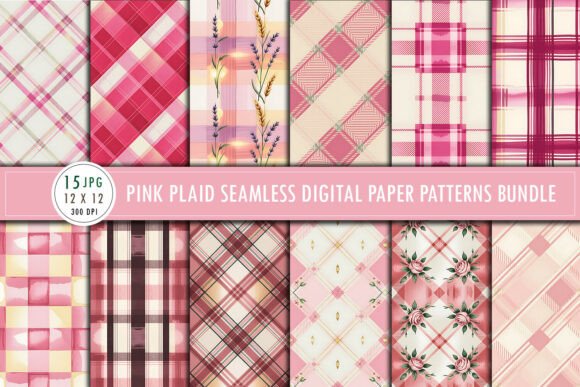
Resolution is perhaps the most crucial factor in determining usability. High-quality assets are often provided at 300 dpi (dots per inch), ensuring that when printed, the images remain sharp and free from pixelation. Dimensions such as 12″ x 12″ inches (equivalent to 3600 x 3600 pixels) provide a generous canvas that allows for detailed viewing without immediate loss of clarity. This square aspect ratio is particularly advantageous for social media graphics, square-format invitations, and standard scrapbooking layouts.
Furthermore, the concept of "seamless" implies that the pattern tiles perfectly. When placed adjacent to itself, there should be no visible breaks, lines, or misalignments. This feature is vital for creating backgrounds, wrapping paper, or fabric prints where the pattern must repeat invisibly across a larger surface area. The ability to resize these images easily without significant degradation is another key benefit, allowing designers to adapt a single asset for various contexts, from small hang tags to full-wall wallpapers.
Comparing AI-Generated vs. Hand-Crafted Designs
A significant consideration in the current market is the origin of the design. Many modern pattern libraries now include assets generated by Artificial Intelligence (AI). It is important to approach Floral Plaid Seamless Patterns with an understanding of this distinction. While traditional hand-crafted vector designs offer infinite scalability and precise control over individual elements, AI-generated raster images like high-resolution JPGs present a different set of tradeoffs.
The primary advantage of AI-generated patterns is often speed and variety. These tools can produce complex intersections of floral and geometric shapes that might take considerable time to illustrate manually. Recent advancements in generative models have resulted in outputs where the image quality is remarkably high, often indistinguishable from human-made work at first glance. For many users, the visual richness and intricate detail are sufficient for their needs.
However, limitations exist. Unlike vector files (such as EPS or SVG), a 300 dpi JPG has a fixed resolution limit. If a user attempts to scale the image beyond its original dimensions—say, for a large outdoor banner—the quality will degrade. Additionally, AI generation can sometimes introduce subtle artifacts or inconsistencies in the tiling process that require manual correction in editing software. Therefore, while these images are described as having very good quality and being usable anywhere, they are best suited for projects where the final output size remains within reasonable bounds or where the texture serves as a background rather than a focal point requiring crisp edges.
Use Cases and Application Scenarios
The versatility of Floral Plaid Seamless Patterns makes them suitable for a wide array of creative endeavors. Because they blend rustic and romantic aesthetics, they bridge several design genres. Below are some practical applications where these patterns excel:
- Stationery and Invitations: The combination of structure and nature works well for wedding invites, baby shower cards, and formal announcements. The seamless nature allows for elegant borders or full-page backgrounds.
- Scrapbooking and Paper Crafts: For enthusiasts, these digital downloads allow for custom printing of themed pages. The 12″ x 12″ format aligns perfectly with standard scrapbook paper sizes, reducing the need for complex cropping.
- Web and Blog Design: As website headers, blog post backgrounds, or sidebar decorations, these patterns add visual interest without overwhelming text content. Their digital-first nature ensures fast loading times compared to heavy video or animation elements.
- Product Packaging: Small businesses looking to create branded wrapping paper, gift boxes, or hang tags can utilize these patterns to convey a sense of care and attention to detail. The seamless property ensures that even on irregularly shaped packages, the pattern flows naturally.
- Home Decor Mockups: Designers can use these patterns to visualize wallpaper concepts, cushion covers, or textile prints in digital mockups, helping clients visualize the end result before physical production.
Evaluating Tradeoffs and Decision Factors
Choosing the right pattern resource involves weighing several factors. One must consider the end medium. If the project requires screen-only display, a 300 dpi JPG is more than adequate and may even be preferable due to smaller file sizes facilitating faster web performance. Conversely, if the goal is large-format commercial printing, such as billboard advertising or extensive fabric runs, a vector-based solution would be more appropriate despite potentially higher costs or complexity.
Another decision factor is customization. Since these are typically delivered as flat image files (JPG), editing capabilities are limited to what can be done in raster graphic editors like Photoshop or GIMP. Users cannot easily extract individual flowers or change the color palette of specific plaid stripes without advanced photo manipulation skills. For users who require deep customization, seeking out layered PSD files or vector sources might be a better long-term investment.
Additionally, the "digital download only" nature of these products means there is no physical shipping involved, which reduces cost and environmental impact. However, it also places the responsibility of proper file management on the buyer. Ensuring backups and organizing assets correctly is part of the workflow. Furthermore, licensing terms vary; while many such patterns allow for commercial use, it is always prudent to verify the specific license agreement, especially if selling physical goods made with the design.
Alternatives and Complementary Styles
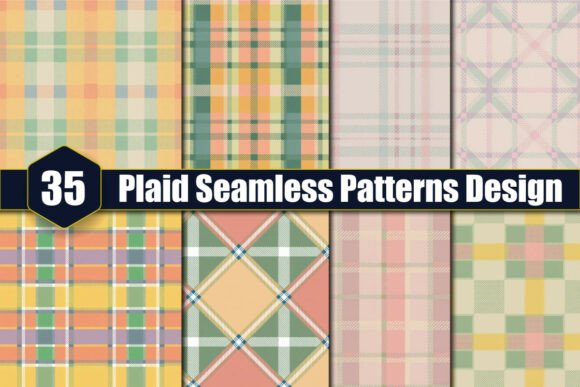
If Floral Plaid Seamless Patterns do not fully align with a project’s vision, several alternatives exist. Pure geometric plaid patterns offer a bolder, less ornate look suitable for masculine or minimalist designs. Conversely, pure floral watercolor patterns provide a softer, more artistic feel but lack the structural grounding of the plaid element. Some designers opt for mixed-media approaches, combining scanned textures of actual fabric with digital overlays to achieve a unique, tactile appearance that neither pure AI nor pure illustration can replicate alone.
For those seeking a more modern twist, one might explore "deconstructed" plaid, where the grid is broken up or overlaid with abstract shapes, or incorporate seasonal variations, such as autumnal leaf motifs integrated into the plaid weave. Exploring these variations can help designers find the exact balance between tradition and innovation required for their specific audience.
Conclusion on Suitability
Ultimately, the value of Floral Plaid Seamless Patterns lies in their accessibility and aesthetic appeal. For individuals aged 20–50 engaging in creative hobbies or professional design tasks, these assets offer a ready-made solution that elevates visual storytelling. The high resolution and seamless tiling ensure professional results in both digital and print media. While the AI-generated nature and raster format impose certain limits on scalability and editability, the quality-to-effort ratio remains highly favorable for the majority of use cases. By understanding these technical nuances and application boundaries, creators can effectively leverage these patterns to enhance invitations, websites, crafts, and decorative items with confidence and style.