Diagonal Lattice Caning Patterns
Texture is often the unsung hero of design. While color grabs attention and typography delivers the message, it is texture that gives a project its tactile soul, even on a flat screen. In an era where digital interfaces mimic physical materials to create depth and warmth, Diagonal Lattice Caning Patterns offer a sophisticated solution for designers seeking to add organic structure without overwhelming their composition. This collection isn’t just about repeating shapes; it’s about introducing a rhythmic, woven aesthetic that bridges the gap between rustic charm and modern minimalism.
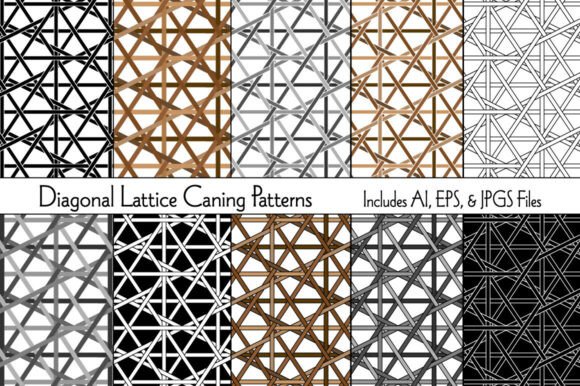
At its core, this pattern set features ten distinct diagonal variations, each meticulously crafted to maintain seamless continuity at 12 x 12 inches. The visual language here is defined by intersecting lines that mimic the traditional craft of caning found in furniture making, but translated into a graphic format. The palette is deliberately restrained, utilizing black, white, gray, beige, and brown. These neutral tones ensure that the patterns serve as versatile backgrounds rather than dominant focal points, allowing them to support text, product photography, or other graphic elements without creating visual clutter.
The Visual Appeal of Woven Geometry
Why choose a lattice pattern over a solid color or a photographic texture? The answer lies in the psychological effect of geometry. Diagonal lines inherently suggest movement and energy, breaking the static nature of horizontal and vertical grids. When these lines form a lattice, they create a sense of order within that movement. It feels structured yet airy, complex yet simple.
The specific inclusion of beige and brown tones in Diagonal Lattice Caning Patterns evokes natural materials like rattan, wicker, or wood. This connection to nature aligns perfectly with current trends in sustainable design and biophilic aesthetics. For brands aiming to communicate authenticity, craftsmanship, or eco-consciousness, these patterns provide an immediate visual shorthand. Meanwhile, the stark contrast of black and white versions offers a more graphic, almost architectural feel, suitable for contemporary branding or editorial layouts that demand high legibility and strong contrast.
The personality of these patterns is adaptable. A tight, dark lattice might feel industrial or vintage, while a loose, light beige weave suggests leisure, home comfort, or artisanal quality. This versatility is crucial for creative professionals who need assets that can pivot across different campaign themes without losing coherence.
Practical Applications Across Design Disciplines
Understanding where Diagonal Lattice Caning Patterns fit best requires looking beyond the obvious. While they are excellent for background textures, their utility extends into several key areas of professional design:
- Packaging Design: For small businesses producing artisanal goods—such as candles, soaps, coffee blends, or baked goods—these patterns provide a premium backdrop that elevates perceived value. The seamless nature ensures that wrapping paper or box designs can be printed efficiently without visible seams disrupting the brand experience.
- Web Design and Digital Assets: As web browsers increasingly support high-resolution vector graphics, using these patterns as subtle CSS backgrounds or SVG overlays adds depth to landing pages. They work exceptionally well behind call-to-action buttons or within card components to separate content blocks visually.
- Social Media Graphics: Content creators often struggle with maintaining a consistent visual identity across Instagram or Pinterest feeds. Using a consistent lattice pattern from this collection as a base layer allows for rapid production of branded templates. The neutral colors ensure that overlaid text remains readable, adhering to accessibility standards while maintaining style.
- Editorial and Print Layouts: In magazine design or newsletter creation, these patterns can serve as section dividers or sidebars. They break up long-form text without distracting the reader, providing a gentle visual rhythm that guides the eye down the page.
- Scrapbooking and Personal Projects: For hobbyists and crafters, the editable vector formats mean you can customize the scale and opacity to fit personal photo albums or gift wrap projects. The ability to adjust the pattern density allows for a highly personalized touch that mass-produced papers cannot match.
Technical Advantages for Workflow Efficiency
One of the most significant benefits of this asset pack is its technical flexibility. The inclusion of both AI and EPS files means that designers working in Adobe Illustrator or compatible vector software have full control over every element. Unlike raster images (JPGs) which can become pixelated when scaled, these vector backgrounds remain crisp at any size. This is particularly important for large-format prints or responsive web design where image clarity is paramount.
The provision of a layer containing the expanded pattern and a swatch is a thoughtful detail that streamlines the workflow. Instead of manually recreating the gradient or color scheme for each project, designers can simply swap out the swatch. If a client requests a shift from earthy browns to cool grays, it takes seconds rather than hours. This efficiency is invaluable for agencies and freelancers managing multiple clients simultaneously.
Furthermore, the JPGs included in the package cater to users who prefer raster workflows or need quick previews. Having all three formats (AI, EPS, JPG) ensures compatibility across various platforms and user skill levels, making this a comprehensive resource for both seasoned graphic designers and novice content creators.
Evaluating Fit and Implementation Strategy
Before integrating Diagonal Lattice Caning Patterns into a project, it is essential to evaluate how the pattern interacts with your primary content. The goal should always be enhancement, not competition. Here are a few practical steps to ensure successful implementation:
- Test Opacity Levels: Start by applying the pattern at a low opacity (e.g., 10-20%). This creates a watermark effect that adds texture without overpowering the text. Gradually increase the opacity until the pattern provides enough definition to distinguish sections without causing visual fatigue.
- Consider Font Pairings: When using a geometric, woven background, pair it with clean, sans-serif fonts for body text to maintain readability. For headlines, a serif font can complement the classic feel of the lattice, creating a harmonious blend of old-world craft and modern clarity. Avoid overly decorative script fonts unless the pattern is extremely subtle, as complexity can clash.
- Analyze Contrast Ratios: Ensure that any text placed over the pattern meets WCAG (Web Content Accessibility Guidelines) contrast standards. Dark lattices on light backgrounds require lighter text, and vice versa. Testing these combinations early prevents costly redesigns later.
- Leverage Color Psychology: Use the beige and brown variants for projects targeting comfort, stability, and tradition. Opt for black and white for projects emphasizing modernity, luxury, or neutrality. Gray serves as a perfect middle ground, offering sophistication without the harshness of pure black.
In conclusion, Diagonal Lattice Caning Patterns represent more than just a decorative element; they are a strategic tool for adding depth, texture, and professional polish to a wide array of design projects. By understanding their visual characteristics and technical advantages, designers can leverage these seamless vectors to create cohesive, engaging, and high-quality outputs that resonate with audiences across digital and print mediums.