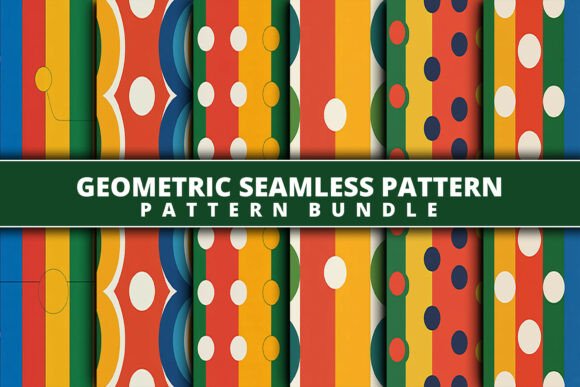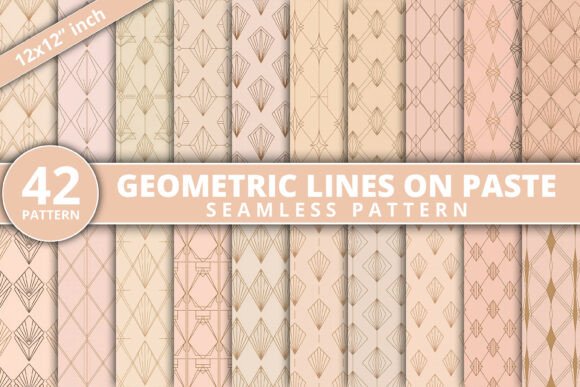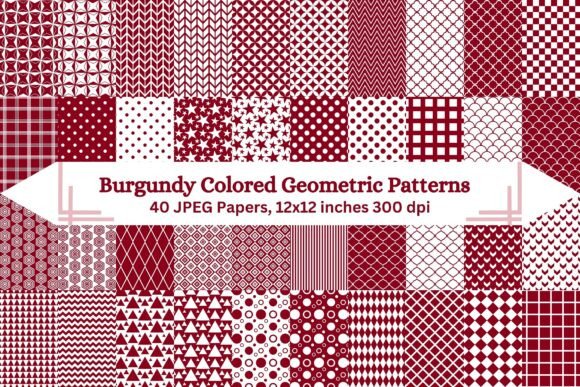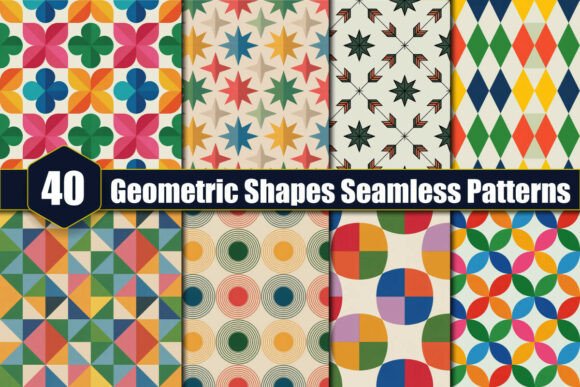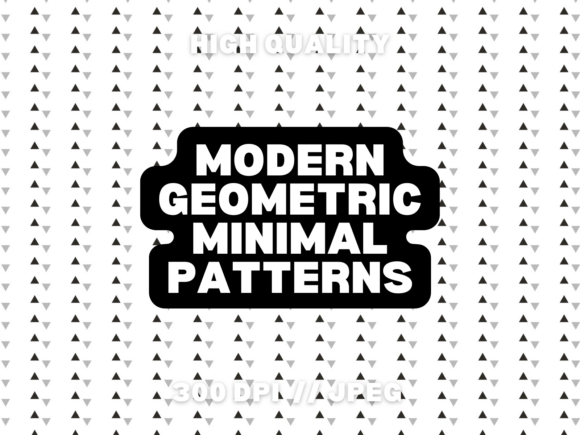
40 Modern Geometric Minimal Patterns
In a design landscape that is often cluttered with excessive textures, loud colors, and complex visual noise, there is a quiet but powerful shift happening. We are seeing a move toward clarity, structure, and intentional simplicity. This is where 40 Modern Geometric Minimal Patterns steps in not just as a collection of images, but as a toolkit for anyone who needs to communicate professionalism, modernity, and aesthetic balance without the headache of starting from scratch.
If you are a graphic designer staring at a blank canvas, a small business owner trying to make your packaging look premium on a budget, or a blogger looking to elevate your social media presence, these patterns offer an immediate solution. They are high-resolution JPG files designed with clean lines and abstract shapes, stripping away the unnecessary to focus on what truly matters: form and function.
The Power of Simplicity in Visual Communication
Why do geometric minimal patterns work so well? The answer lies in how the human brain processes visual information. Complex designs can overwhelm viewers, causing them to disengage. Minimalist geometry, however, guides the eye. It creates a sense of order and calm. When you use these patterns, you aren’t just filling space; you are creating a backdrop that supports your main content rather than competing with it.
Consider the difference between a busy, chaotic background and a subtle, repeating geometric motif. The latter allows text to remain readable, logos to stand out, and products to take center stage. This is why 40 Modern Geometric Minimal Patterns is more than just decorative; it is a strategic design element that enhances usability and user experience across various platforms.
Real-World Applications for Digital Creators
For digital-first professionals, time is the most valuable resource. Designing unique backgrounds for every new project is time-consuming and often leads to burnout. These ready-to-use files solve that problem instantly. Here is how different digital creators are integrating these patterns into their workflows:
- Social Media Content: Instagram and Pinterest thrive on visual consistency. Using a cohesive set of geometric patterns for your story highlights, post backgrounds, or carousel dividers creates a recognizable brand identity. Instead of spending hours editing photos, you can layer your content over these clean, modern textures to achieve a polished look in minutes.
- Web and App Design: A website’s background sets the tone before a user even reads the headline. Subtle geometric patterns can add depth to landing pages without distracting from the call-to-action buttons. They are perfect for section breaks, header backgrounds, or even as loading screen animations if animated appropriately.
- Digital Planners and Templates: Educators and productivity coaches sell digital planners daily. Adding a touch of modern geometric flair to the cover or internal page dividers increases perceived value. These high-resolution files ensure that your digital products look sharp on tablets and phones alike.
Elevating Physical Products and Branding
The utility of these patterns extends far beyond the screen. In the physical world, texture and pattern play a crucial role in how consumers perceive quality. Whether you are printing business cards, designing product packaging, or creating marketing materials, the right pattern can signal sophistication and attention to detail.
Packaging Design: For small business owners selling cosmetics, candles, or artisanal goods, packaging is your first point of contact with the customer. A minimalist geometric pattern on a box or label suggests a clean, pure, and modern product. It appeals to the growing demographic of consumers who prefer understated elegance over flashy branding. Because the files are high-resolution, they print crisply, ensuring no pixelation or blurriness when scaled up for larger boxes.
Printable Stationery and Invitations: Wedding invitations, baby shower cards, and corporate event stationery benefit greatly from geometric accents. You can use these patterns as borders, watermarks, or full-page backgrounds. For instance, a wedding invitation might use a soft, muted geometric pattern to frame elegant typography, creating a romantic yet structured feel. Similarly, a conference badge or agenda booklet can use sharper, bolder geometric lines to convey energy and organization.
Textile and Fashion Applications
Don’t overlook the potential for textile design. If you are into sewing, knitting, or creating custom apparel, these patterns can be adapted for fabric prints. A simple geometric repeat can transform a plain tote bag, a scarf, or a cushion cover into a trendy, boutique-style item. Many crafters use these digital patterns as references for screen printing or sublimation, allowing them to create unique merchandise without needing advanced illustration skills.
Who Benefits Most from This Collection?
While the applications are broad, certain groups will find particular value in this specific collection of 40 patterns:
- Freelance Graphic Designers: Need quick assets for client presentations or mood boards. These patterns provide instant professional polish.
- Small Business Owners: Lack the budget for custom illustration but need consistent branding across email newsletters, invoices, and social posts.
- Hobbyists and DIY Enthusiasts: Want to scrapbook, card-make, or decorate home spaces with a modern aesthetic without buying expensive physical scrapbooking paper.
- Educators: Create worksheets, certificates, or classroom decorations that look engaging but not childish. Geometric patterns bridge the gap between fun and formal.
Practical Considerations Before You Start
Before diving into your next project, keep a few practical tips in mind to get the best results from 40 Modern Geometric Minimal Patterns.
Color Adaptability: While the files are provided as JPGs, remember that color plays a huge role in mood. Don’t be afraid to adjust the hue or saturation in your preferred software to match your brand palette. A cool blue geometric pattern can feel calming and trustworthy, while a warm orange version can feel energetic and inviting. Use tools like Photoshop, Canva, or even free online editors to tweak colors until they fit perfectly.
Scale and Repetition: Pay attention to how the pattern repeats. Some patterns are seamless, meaning they tile perfectly without visible seams, which is ideal for backgrounds. Others might have a distinct central motif. Test different scales—zooming in can reveal intricate details, while zooming out creates a subtle texture. Experimentation is key to finding the right level of visibility for your specific project.
Contrast Management: When placing text or other elements over these patterns, ensure sufficient contrast. Minimalist patterns can sometimes blend in too much if the colors are too similar. Use solid blocks of color behind text, or add a slight shadow/overlay to ensure readability. The goal is to enhance, not obscure.
Conclusion
In a world saturated with visual data, standing out doesn’t always mean adding more. Sometimes, it means subtracting. 40 Modern Geometric Minimal Patterns offers a versatile, high-quality resource that respects the viewer’s attention while delivering strong aesthetic appeal. Whether you are designing a website, wrapping a gift, or launching a new product line, these patterns provide the structural backbone for modern, clean, and effective design. By leveraging these ready-to-use assets, you save time, reduce creative friction, and ensure that your final output looks professional, intentional, and timeless.