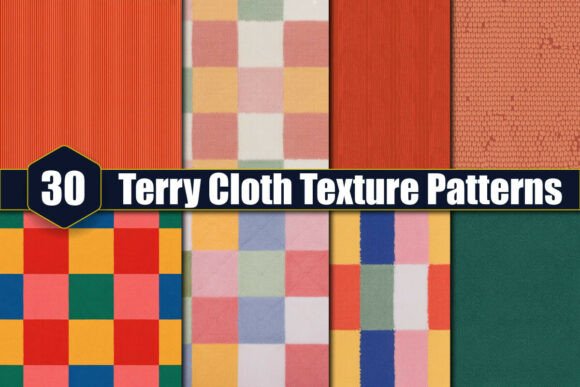
30 Terry Cloth Texture Patterns
In the world of digital design, texture is often the unsung hero. It provides depth, realism, and a tactile quality that flat colors simply cannot achieve. For creators looking to add a layer of organic sophistication to their work, 30 Terry Cloth Texture Patterns offers a versatile and high-quality resource. This collection is not just a set of images; it is a toolkit for enhancing visual narratives across various mediums, from digital marketing materials to physical craft projects.
Terry cloth, with its distinctive looped pile structure, evokes feelings of comfort, cleanliness, and softness. Whether you are designing for the hospitality industry, creating children’s products, or simply adding a subtle background element to a website, these textures bring an immediate sense of familiarity and warmth. The availability of thirty distinct variations ensures that you can find the perfect shade of gray, white, beige, or colored fabric to match your specific aesthetic needs.
Why Terry Cloth Matters in Design
Understanding the psychological impact of texture is crucial for effective communication. Terry cloth is associated with bathrobes, towels, gym wear, and baby blankets. When used in design, it subtly communicates hygiene, relaxation, and care. This makes it particularly valuable for brands in the wellness, parenting, fitness, and home goods sectors.
Unlike synthetic textures that can look plastic or artificial, terry cloth has a natural irregularity. The loops vary slightly in size and spacing, which adds authenticity. In an era where consumers are increasingly skeptical of overly polished, AI-generated perfection, incorporating realistic textures like this helps ground a design in reality. It signals that attention has been paid to detail, fostering trust with the audience.
Technical Specifications and Quality
One of the most significant advantages of this digital download is the technical precision provided. Each pattern is delivered in JPG format at a resolution of 300 DPI. This is the industry standard for print production, ensuring that when you scale these images up for large-format prints, they remain crisp and free of pixelation.
The dimensions of each image are 12 inches by 12 inches (3600 x 3600 pixels). This square format is incredibly flexible. It allows for seamless tiling if you need to create a larger background pattern without visible seams. Alternatively, it serves as a perfect canvas for square-based designs such as social media posts, blog headers, or app icons. Because the images are high-resolution, they can be easily resized down for web use without losing clarity, making them efficient for both print and digital workflows.
It is important to note that while these are AI-generated designs, the quality is exceptionally high. Modern generative AI tools have advanced significantly in replicating complex surface details. These patterns have been curated to ensure they meet professional standards, offering a reliable alternative to sourcing physical fabric swatches and photographing them yourself.
Creative Applications Across Industries
The versatility of 30 Terry Cloth Texture Patterns extends far beyond simple backgrounds. Here is how different professionals can leverage these assets:
Graphic Designers and Branding Specialists
For brand identity kits, these textures can serve as secondary elements. Imagine a spa logo overlaid on a subtle terry cloth background to reinforce the theme of relaxation. Or consider using a darker, charcoal-toned terry texture for a sportswear brand to convey durability and moisture-wicking properties. The key is to use opacity layers effectively, allowing the texture to enhance rather than overpower the primary message.
Print-on-Demand and Packaging
If you sell physical products, packaging is your first touchpoint with the customer. Using these textures on hang tags, wrapping paper, or product labels can elevate the perceived value of your item. A skincare company might use a pristine white terry cloth texture to suggest purity and gentleness. A baby clothing brand could use a pastel-colored variation to evoke softness and care. Since the images are digital downloads, you can print them on demand, reducing inventory costs and waste.
Digital Content Creators and Bloggers
Websites benefit greatly from textured backgrounds. Flat white backgrounds can feel sterile, but a subtle terry cloth texture adds warmth and invites the user to stay longer. Use these patterns for section dividers, sidebar backgrounds, or featured image overlays. For bloggers writing about lifestyle topics, these textures provide a cohesive visual language that ties disparate posts together.
Hobbyists and Crafters
For scrapbookers and card makers, these patterns offer endless possibilities. You can print them out and use them as base layers for mixed-media art. Decoupage enthusiasts can incorporate these textures into home decor projects, applying them to frames, boxes, or furniture accents. The 12x12 inch size is ideal for standard scrapbooking paper sizes, making integration into existing collections effortless.
Best Practices for Implementation
To get the most out of these textures, consider the following practical tips:
- Maintain Consistency: If you choose to use multiple textures from the set, ensure they share a similar lighting direction or color temperature. Mixing a bright, sunlit towel texture with a shadowy, dimly lit one can create visual dissonance.
- Use Opacity and Blending Modes: Never let the texture dominate the text. Apply a blending mode such as "Overlay" or "Soft Light" in your editing software. Adjust the opacity to between 10% and 30% to create a subtle hint of texture that supports readability.
- Consider Contrast: Terry cloth has a naturally uneven surface. When placing text over these textures, ensure there is sufficient contrast. Adding a semi-transparent solid color block behind text is a safe and effective strategy.
- Seamless Tiling: If you need a background for a full-screen website or a large banner, test the tileability of the pattern. Most modern design software allows you to check for seams. If necessary, crop the edges slightly to ensure a smooth transition.
Accessibility and Inclusivity
Design is not just about aesthetics; it is also about accessibility. When using textured backgrounds, always prioritize legibility. Avoid using light gray terry cloth with white text, as this creates poor contrast ratios. Similarly, avoid dark textures with black text. By adhering to WCAG (Web Content Accessibility Guidelines) contrast standards, you ensure that your creative work is usable by everyone, including those with visual impairments.
Furthermore, consider the cultural associations of color. While white terry cloth is universally associated with cleanliness in many cultures, other colors may carry different meanings. Be mindful of your target audience when selecting specific hues from the 30-pattern collection.
Conclusion
The 30 Terry Cloth Texture Patterns digital download is more than just a bundle of images; it is a strategic asset for any creative professional. By providing high-quality, versatile, and realistic textures, it empowers designers, marketers, and hobbyists to add depth and authenticity to their projects. Whether you are crafting a luxury brand identity, designing engaging social media content, or working on a personal scrapbook, these textures offer a practical solution to the challenge of visual monotony.
Remember that the best designs are those that balance inspiration with function. Use these terry cloth patterns to tell a story, evoke an emotion, and connect with your audience on a sensory level. With the freedom to resize, recolor, and repurpose these 3600 x 3600 px JPGs, the only limit is your imagination. Embrace the texture, explore the possibilities, and create work that stands out in a crowded digital landscape.